When choosing a security fence for industrial, commercial, or residential applications, two of the most popular options are palisade fencing and chain link fencing. Both offer durability, perimeter protection, and long service life, but they are designed for different security levels, aesthetics, and budgets.
According to SPIDER Wire Mesh, both fence systems are widely used worldwide in factories, warehouses, schools, roads, sports facilities, and high-security areas.
A palisade fence is a steel security fence made from vertical steel pales attached to horizontal rails and strong support posts. The top of the pales is usually pointed or spiked to prevent climbing and intrusion.
Palisade fencing is commonly used in:
Factories and warehouses
Airports and railways
Power stations
Military facilities
Commercial compounds
High-security industrial sites
Steel palisade fences are known for their strong structure, anti-climb performance, and excellent visibility. Many systems use hot-dip galvanized steel and optional powder coating for corrosion resistance and long-term outdoor use.
A chain link fence, also called chainmesh fencing or diamond mesh fencing, is produced by weaving steel wires into a diamond-shaped mesh pattern.
Chain link fencing is widely used for:
Residential boundaries
Sports fields and playgrounds
Gardens and parks
Warehouses
Temporary fencing
Animal enclosures
Chain link fencing is popular because it is economical, easy to install, and adaptable to many environments. Galvanized and PVC-coated finishes are commonly available for improved durability and appearance.
| Feature | Palisade Fence | Chain Link Fence |
|---|---|---|
| Security Level | High | Medium |
| Anti-Climb Performance | Excellent | Moderate |
| Visibility | High | High |
| Cost | Higher | Lower |
| Installation | More complex | Easier |
| Appearance | Strong industrial look | Simple and functional |
| Durability | Excellent | Very good |
| Maintenance | Low | Low |
| Applications | High-security areas | General perimeter fencing |
Palisade fencing is generally considered more secure than chain link fencing because of its rigid steel construction and pointed tops. It is difficult to cut, bend, or climb.
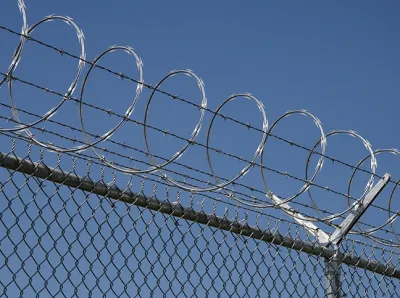
Some palisade systems can also be combined with razor wire or barbed wire for additional perimeter protection.
Chain link fencing still provides effective boundary security, especially when combined with barbed wire, privacy slats, or PVC coating. However, it is easier to climb compared with palisade fencing.
Chain link fencing is usually the more affordable option. Its lower material cost and faster installation make it ideal for large areas where budget is important. Online discussions also frequently describe chain link fencing as cost-effective and long-lasting.
Palisade fencing costs more because it uses heavier steel components and requires stronger structural support. However, the increased security level often justifies the investment for industrial and commercial projects.
Both fencing systems offer excellent durability when galvanized or PVC coated.
Chain link fences can last for decades with minimal maintenance. Many users report chain link systems remaining functional for 20–40 years when properly installed and maintained.
Palisade fencing also performs exceptionally well in harsh outdoor environments due to its heavy-duty steel structure and corrosion-resistant coatings.
Maximum security
Anti-climb protection
Industrial or commercial perimeter defense
Long-term high-security performance
Budget-friendly fencing
Fast installation
Sports or residential fencing
Flexible and versatile perimeter solutions
Both palisade fences and chain link fences are reliable perimeter security solutions, but they serve different purposes.
Palisade fencing is the better choice for high-security applications where strength and intrusion resistance are critical. Chain link fencing is ideal for cost-effective boundary protection with quick installation and low maintenance.
Latest Post