When it comes to securing properties, understanding the importance of fence height and corresponding security levels in palisade fencing systems can be a game-changer. The height of your palisade fence plays a crucial role in deterring intruders and enhancing safety. Additionally, various security levels associated with different heights can help buyers make informed decisions. In this article, we will explore key considerations regarding fence height, security implications, and how they affect palisade fencing systems.
Different heights of palisade fences serve various functions. Here are some common heights and their uses:
Low-height palisade fences are primarily used for decorative purposes. They demarcate boundaries without offering significant security.
This height range presents a balance between aesthetics and security, offering a moderate deterrent for potential intruders.
High palisade fences act as a robust barrier, making it difficult for intruders to scale. They are ideal for securing sensitive areas such as warehouses and government facilities.
Security levels in palisade fencing can significantly differ based on the height and design. Here are some key security levels:
Generally associated with low-height fences, this level is most appropriate for residential areas with minimal security risk.
Medium security levels are effective for commercial properties, combining aesthetics with reasonable deterrent features.
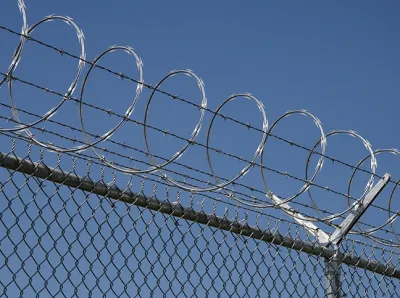
High-security fences use taller palisade designs typically with pointed tops, often crowned with barbed wire, ideal for prisons and military installations.
Understanding how height impacts security is vital. Here are a few considerations:
Higher fences naturally deter intruders as they pose a greater physical challenge to scale.
Consider how high fences affect visibility—too tall can limit monitoring capabilities, while too short can leave spaces vulnerable.
Be aware of local laws regarding fence height, which can impact both aesthetics and security features.
| Height Range | Security Level | Common Use |
|---|---|---|
| 1m - 1.5m | Low Security | Residential Fencing |
| 1.5m - 2.5m | Medium Security | Commercial Properties |
| Above 2.5m | High Security | High-Security Zones |
This flow chart encompasses the necessary steps in selecting the appropriate fence height:
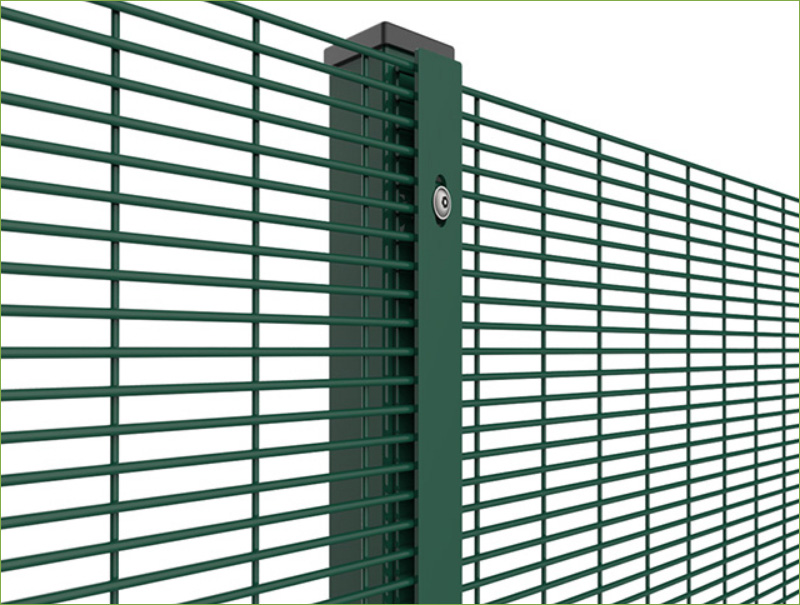
In summary, the fence height is a pivotal element in determining the security levels of palisade fencing systems. By understanding the relationship between height, security, and user needs, manufacturers and buyers can effectively protect properties while complying with regulations. Investing in the right fence height can provide peace of mind and serve as a formidable barrier against potential threats, making it essential for all property owners to carefully consider their options.
Latest Post