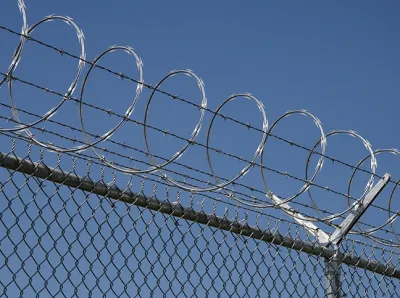
Palisade fencing is known for its durability and strength, making it a popular choice for various applications. Among its many advantages, wind resistance and structural integrity are essential factors that overseas buyers and distributors should consider. Understanding the wind resistance capabilities and structural strength of palisade fencing can help ensure that investments are secure and that the fencing will withstand challenging environmental conditions. This article explores critical aspects of palisade fencing related to wind resistance and structural strength.
Wind load refers to the force exerted on the fencing by wind. The design of palisade fencing incorporates structural elements that effectively handle varying wind loads.
The type of steel used in palisade fencing plays a vital role in its wind resistance. High-tensile steel, for example, can better withstand gusts compared to standard mild steel.
Taller fencing experiences more wind load. Proper design configurations can minimize wind pressure on the surface, enhancing the overall wind resistance.
The gauge thickness of the palisade fencing can directly influence its strength. Thicker profiles tend to resist deformation and provide greater overall stability.
Ensuring the correct depth and spacing of posts is crucial. Deeper posts provide enhanced anchorage, while appropriate spacing prevents bending or swaying.
Quality of joints and effective bracing techniques directly enhance the structural integrity of the fencing, mitigating the risk of collapse in high winds.
| Feature | Palisade Fencing | Chain Link Fence | Wooden Fence |
|---|---|---|---|
| Wind Resistance | High | Medium | Low |
| Durability | High | Medium | Low |
| Maintenance | Low | Low | High |
Conducting a site assessment before installation helps to understand the specific wind patterns and potential risks associated with the location.
Proper installation can significantly impact the structural strength of palisade fencing and its ability to withstand wind. Here is a step-by-step flow chart outlining the process:
Many industrial parks use palisade fencing to protect their perimeters from strong winds and potential intruders. In numerous case studies, these installations have shown excellent performance during extreme weather events.
In residential applications, palisade fencing enhances the aesthetic appeal while providing sufficient wind resistance. Homeowners have noted significant benefits in areas with frequent high winds.
Choosing a reliable supplier like sibaide ensures that the palisade fencing meets the necessary standards for wind resistance and structural strength.
Many manufacturers offer customization options for palisade fencing, which can further enhance its performance capabilities.
Regular inspections can help identify any issues with posts or panels before they escalate, ensuring the longevity of the fencing.
Keeping the fencing clean helps prevent corrosion and maintain its visual appeal, which is essential for both industrial and residential applications.
In conclusion, understanding the wind resistance and structural strength of palisade fencing is crucial for optimal performance in various conditions. Buyers and distributors should prioritize quality materials, proper installation techniques, and regular maintenance to ensure that their fencing can withstand harsh weather conditions. If you are considering palisade fencing for your next project, opt for a reputable supplier like sibaide to ensure you receive the best possible fencing solution.
Latest Post