Choosing the right farm fencing is essential for protecting livestock, managing grazing areas, and securing farmland. A well-designed fence improves animal safety, reduces maintenance costs, and ensures long-term durability in outdoor environments. This guide explains the key factors to consider when selecting farm fencing and highlights the advantages of hinge joint field fence products such as those described on the hinge joint fence page.
Before purchasing farm fencing, clearly define its primary purpose. Different agricultural applications require different fencing specifications.
Common farm fencing uses include:
Livestock containment (cattle, sheep, goats, horses)
Pasture management and rotational grazing
Crop protection from wildlife
Property boundary marking
Garden or forest protection
Hinge joint field fencing is widely used for livestock and agricultural applications because it combines strength, flexibility, and cost efficiency.
Several types of agricultural fences are available. The most common options include:
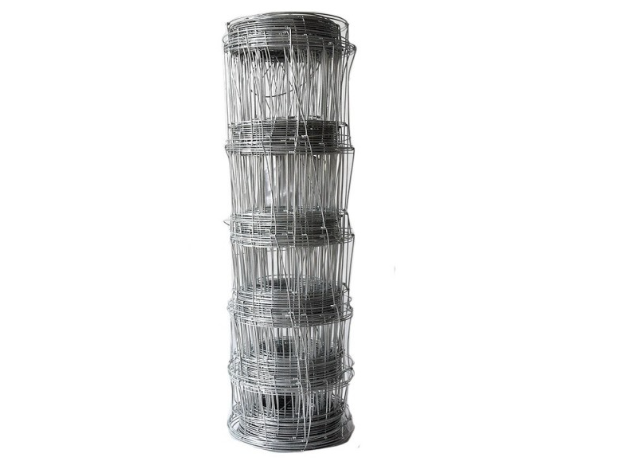
Hinge joint fencing is a woven wire fence where vertical stay wires are wrapped around horizontal line wires to create flexible hinge knots. The hinge design allows the fence to bend under pressure and return to its original shape, reducing damage from animals pushing against it.
Key benefits:
Flexible structure absorbs animal impact
Easy installation and tensioning
Economical solution for large farms
Suitable for uneven or hilly terrain
This design provides higher strength and rigidity, often used for high-pressure livestock such as cattle or deer.
Typically used for gardens, small animals, or poultry rather than large livestock.
Among these options, hinge joint fencing is one of the most commonly used farm fences worldwide due to its balance between strength and cost.
Fence height and mesh opening sizes should match the animals being contained.
Typical recommendations:
| Animal Type | Recommended Fence Height | Mesh Spacing |
|---|---|---|
| Sheep / Goats | 1.0–1.2 m | Small bottom openings |
| Cattle | 1.2–1.4 m | Medium spacing |
| Horses | 1.4–1.6 m | Smooth wire spacing |
| Deer | 1.8–2.4 m | Tall, strong fencing |
Many hinge joint fences feature graduated spacing, where mesh openings are smaller near the ground and larger at the top. This design prevents smaller animals from escaping while keeping larger livestock securely enclosed.
Farm fencing is exposed to rain, sunlight, and soil moisture. The wire material and coating determine the fence’s lifespan.
Common options include:
Galvanized steel wire – corrosion-resistant and widely used
Heavy galvanized coating – longer service life in outdoor conditions
Zinc-aluminum alloy (Galfan) – improved corrosion resistance
High-quality galvanized coatings protect the fence from rust and significantly extend service life in agricultural environments.
Wire diameter directly affects durability and tension performance.
Typical ranges:
Line wire: 1.6 – 2.5 mm
Top/bottom wire: 2.5 – 3.7 mm
Thicker wires provide greater tensile strength and resistance to animal pressure, making them suitable for cattle or large livestock enclosures.
A good farm fence should adapt to different landscapes. Hinge joint fencing works particularly well on uneven terrain because its flexible structure allows the mesh to follow ground contours without losing strength.
Common installation components include:
Steel T-posts or Y-posts
Wooden corner posts
Fence tensioners and braces
Optional barbed wire reinforcement
Proper tensioning and strong corner posts ensure long-term fence stability.
Well-constructed farm fencing requires minimal maintenance. Hinge joint field fences are designed to absorb pressure and maintain their shape over time, reducing repair costs.
Basic maintenance tips:
Inspect fences regularly for loose tension
Trim vegetation around the fence line
Repair damaged sections immediately
Check corner posts and braces annually
Hinge joint fencing remains one of the most widely used agricultural fences because of its practical advantages.
Key advantages:
Flexible hinge knot structure
Strong yet lightweight woven wire
Easy installation and stretching
Excellent impact resistance
Cost-effective for large farm areas
It is commonly used for livestock such as cattle, horses, sheep, goats, and deer, as well as for agricultural land management.
Selecting the right farm fencing involves evaluating livestock type, terrain, wire strength, corrosion resistance, and installation requirements. Hinge joint field fencing offers a balanced solution for many agricultural applications, providing durability, flexibility, and reliable livestock containment.
By choosing the proper height, mesh spacing, and galvanized wire specification, farmers can build a long-lasting fencing system that protects animals, improves pasture management, and reduces maintenance costs.
Latest Post